
Creatine is one of the most researched supplements in the world, yet it remains one of the most misunderstood, especially when it comes to women. For years, myths and misinformation have led many women to avoid creatine altogether, often out of fear of becoming “bulky,” bloated, or because they believe it’s only meant for bodybuilders.
The truth? Creatine can be a powerful, safe, and effective tool for women of all ages, supporting strength, performance, cognition, and healthy aging.
Common Myths About Creatine and Women:
Myth #1: “Creatine makes women bulky”
Women naturally have significantly lower levels of testosterone than men, making large increases in muscle size physiologically difficult. Even with structured resistance training, meaningful hypertrophy takes years of intentional effort. Creatine does not change your hormonal profile or suddenly increase muscle mass on its own.
What creatine does do is support ATP (energy) production in the muscles, allowing you to train harder, recover better, and maintain strength. Research shows this translates to a toned, strong, athletic look in women - not bulk.
Myth #2: “Creatine causes bloating or water retention”
Creatine does draw water into muscle cells...but this is often misunderstood.
The increase in intracellular water is a sign of muscle hydration, NOT the uncomfortable gastrointestinal bloating many women associate with hormonal or digestive issues. Any slight increase on the scale during the first few days of supplementation typically reflects improved muscle hydration and usually stabilizes quickly.
Myth #3: “Creatine is only for bodybuilders”
While creatine is popular in bodybuilding circles, its benefits extend far beyond aesthetics or competitive lifting.
-Muscle strength and power
-Lean mass preservation
-Bone health (indirectly through muscle support)
-Cognitive performance and mental fatigue resistance
-Functional strength as we age
Maintaining muscle mass is especially critical for women, as age-related muscle loss (sarcopenia) accelerates during perimenopause and menopause. Creatine has shown promise as a tool to preserve muscle mass, strength, and physical independence later in life.
Why Creatine Is Especially Important for Women as We Age
Beginning as early as our 30s, women can lose 3–8% of muscle mass per decade. Hormonal shifts, reduced activity, and nutritional gaps all contribute to this decline.
Loss of muscle doesn’t just affect appearance—it impacts:
-Metabolic health
-Bone density
-Balance and fall risk
-Energy levels
-Long-term independence
In short: creatine isn’t about looking younger, but staying strong, capable, and resilient.
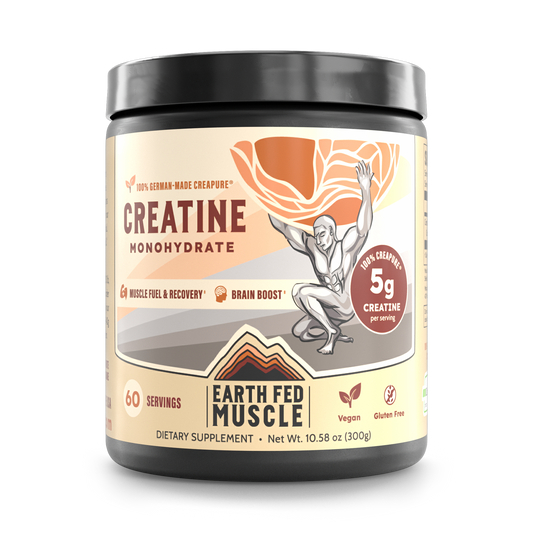
Creatine Monohydrate - 100% Creapure®
$39.99
How Women Should Take Creatine
Daily Dosage: -3-5 grams per day
This dose is effective, well-studied, and safe for long-term use. Smaller women may benefit from staying closer to 3 grams, while more active women can comfortably take 5 grams daily.
A “loading phase” (20g/day) is NOT NECESSARY and often increases the likelihood of digestive discomfort. Consistency matters more than high doses.
Timing: Any time of day works, as long as you take it consistently
Many women prefer taking it post-workout with a meal. On rest days, simply take it with food
The Bottom Line
Creatine is not a “male” supplement, a bodybuilding shortcut, or something women should fear. It is a well-researched, safe, and effective tool that supports strength, performance, cognition, and healthy aging.
For women looking to stay strong, energized, and resilient, creatine may be one of the simplest and most impactful additions to a daily routine.
References:
Antonio, J. et al. (2021). Common questions and misconceptions about creatine supplementation. Journal of the International Society of Sports Nutrition.[https://pubmed.ncbi.nlm.nih.gov/33557850/]
Chilibeck, P.D. et al. (2017). Effect of creatine supplementation during resistance training on lean tissue mass and muscular strength in older adults. [https://pmc.ncbi.nlm.nih.gov/articles/PMC5679696/]
Devries, M.C., & Phillips, S.M. (2014). Creatine supplementation during resistance training in older adults. [https://pubmed.ncbi.nlm.nih.gov/24576864/]
Forbes, S.C. et al. (2021). Creatine supplementation and aging musculoskeletal health.[https://pubmed.ncbi.nlm.nih.gov/34199420/]